Analyzing Rest Periods Between Fixtures for Optimal Selections in Soccer Leagues and Thoroughbred Events
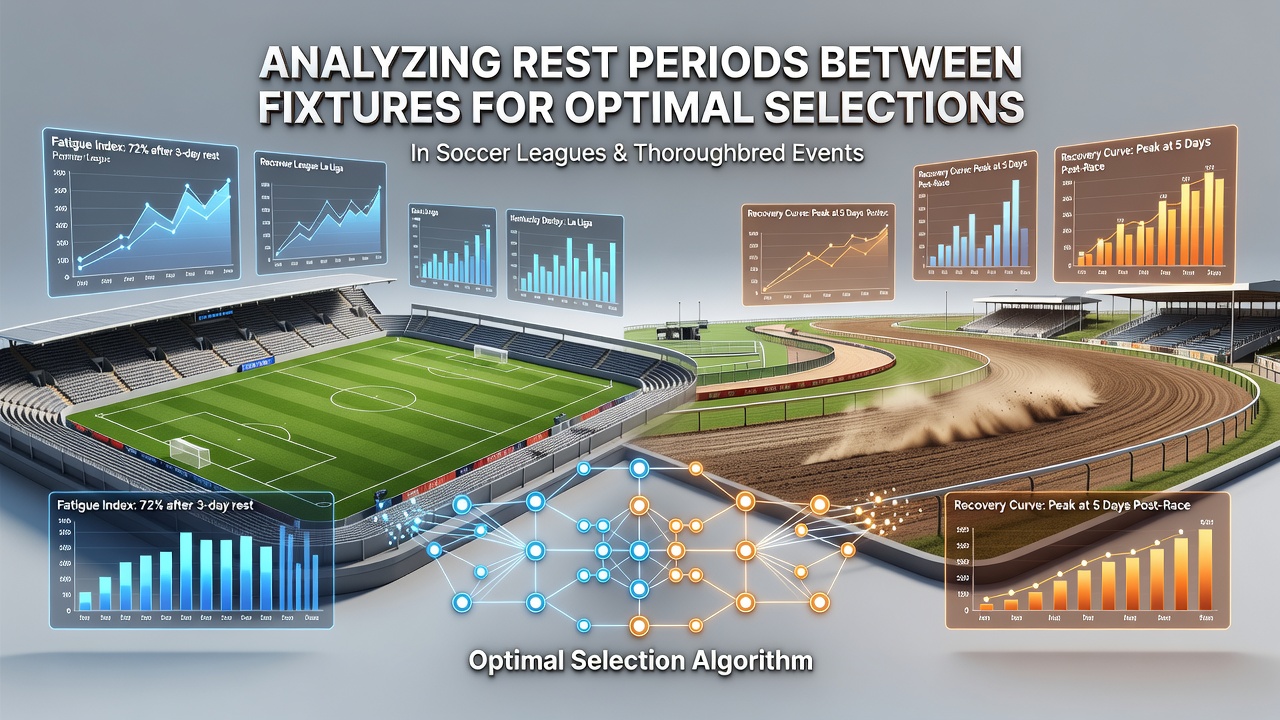
Rest periods between fixtures play a measurable role in performance outcomes across soccer leagues and thoroughbred racing circuits, where data from match schedules and race calendars show consistent patterns in recovery and results. Teams and trainers track these intervals to refine selections, because shorter gaps often correlate with changes in key metrics such as distance covered, sprint frequency, and finishing times. Observers note that leagues with packed calendars, including those in Europe and South America, provide clear datasets for examining how days between matches influence player availability and output.
Soccer Fixture Congestion and Recovery Patterns
European domestic competitions and international tournaments create clusters of games that leave squads with limited recovery windows, and statistics from the 2025-2026 season illustrate how teams with four or fewer rest days between matches record lower average possession retention in subsequent fixtures. Researchers at sports science departments have compiled longitudinal data showing that midfielders in particular exhibit reduced high-intensity running when the interval drops below seventy-two hours, whereas defenders maintain more stable work rates across similar schedules. July 2026 brings additional pressure as clubs prepare for the expanded FIFA World Cup schedule, which overlaps with pre-season tours and early league rounds in several top divisions.
Coaches adjust lineups accordingly, often rotating central players after back-to-back away games that involve significant travel, and injury surveillance reports from major leagues confirm elevated soft-tissue strain rates when rest falls under forty-eight hours. Data sets from multiple competitions reveal that squads maintaining at least five rest days between fixtures achieve higher points-per-game averages in mid-season stretches, although individual player age and prior workload moderate these trends.
Turnaround Times in Thoroughbred Racing Circuits
Thoroughbred programs operate on tighter calendars in many jurisdictions, with horses frequently entered at intervals ranging from seven to twenty-one days, and performance databases from major tracks document how recent runs affect speed figures and sectional times. Trainers monitor recovery markers such as heart-rate variability and blood parameters to decide on next starts, because horses returning after short layoffs sometimes post improved ratings while others show declines when the gap exceeds thirty days. Studies compiled by racing authorities indicate that three-year-olds in particular benefit from structured spacing that allows musculoskeletal adaptation without loss of sharpness.
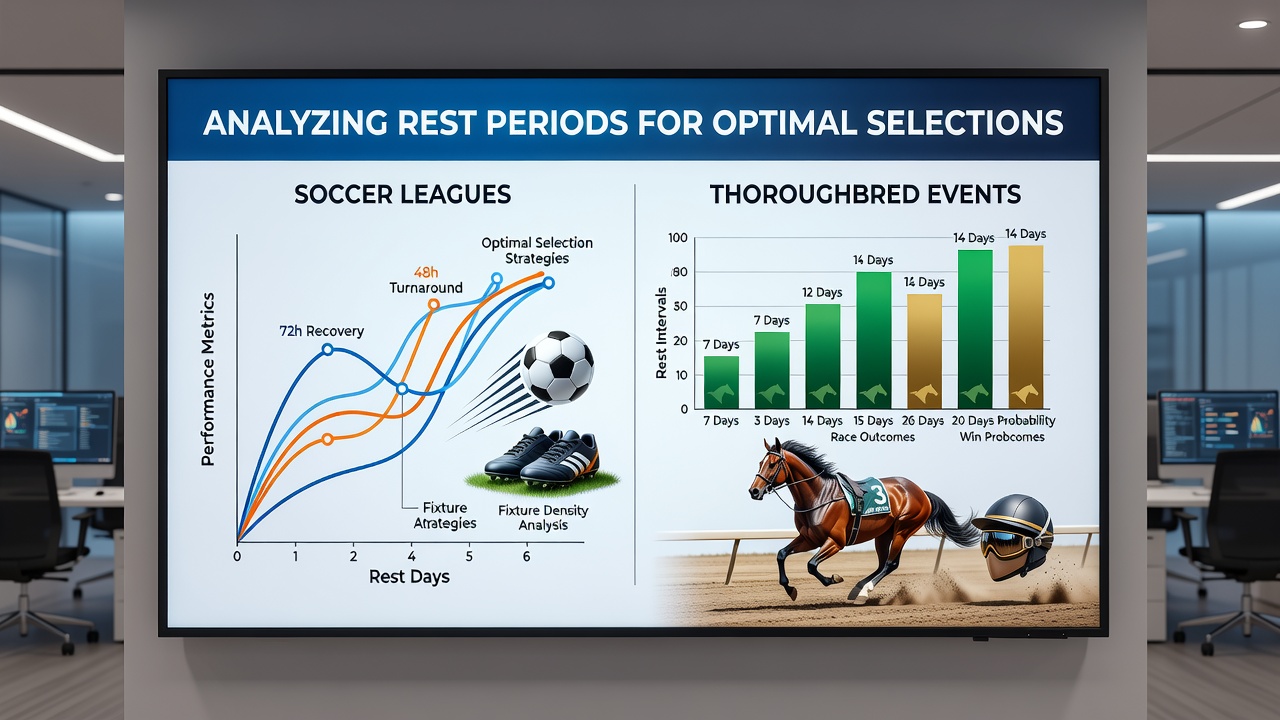
Handicappers incorporate these intervals into ratings adjustments, noting that horses with ten-to-fourteen-day gaps frequently outperform market expectations in handicap events where prior form is fresh yet not stale. July 2026 racing festivals in both hemispheres will feature compressed programs around major meetings, prompting analysts to examine historical strike rates for runners with varying rest profiles. Records from Australian and North American circuits further demonstrate that older horses tolerate shorter turnarounds better than juveniles, whose bone development requires longer spacing to sustain peak efforts.
Comparative Data Across Both Sports
Performance tracking systems in soccer and equine sports share methodological overlaps, including GPS monitoring and workload algorithms that quantify cumulative fatigue, and cross-sport comparisons highlight how environmental factors compound rest-related effects. High temperatures during July events amplify teh impact of short recovery windows, with both soccer match data and race-day sectional recordings showing measurable drops in late-race or late-match output. Selection models used by professional syndicates and betting syndicates integrate these variables alongside travel distance and opposition strength, producing probability estimates that shift when rest intervals deviate from seasonal norms.
League-wide statistics from the current decade indicate that soccer teams traveling across time zones exhibit steeper performance curves when rest is curtailed, while thoroughbreds shipping to unfamiliar tracks display analogous patterns in post-arrival races. Researchers continue to refine predictive models that weight rest days against recent form, and early outputs from 2026 datasets suggest that optimal intervals differ by competition level and athlete age bracket.
Conclusion
Rest-period analysis supplies objective inputs for selection decisions in both soccer leagues and thoroughbred racing, where historical records and current-season metrics allow patterns to emerge without reliance on speculation. Continued collection of granular performance data will support more precise modeling as calendars evolve through 2026 and beyond.