Gear Shifts and Sub Swaps: Hidden Edges in Racing Blinkers and Football Reserves
Gear Shifts and Sub Swaps: Hidden Edges in Racing Blinkers and Football Reserves
Unpacking Gear Shifts: Blinkers and Equipment Changes in Horse Racing
Trainers often tweak a horse's gear right before a race, swapping in blinkers or cheekpieces to sharpen focus, curb wandering eyes, and boost performance; data from major tracks reveals these adjustments deliver measurable edges, especially for horses prone to drifting. Observers track first-time blinkers closely because statistics show such runners win at rates 15-20% above their baseline form, according to Equibase analysis of North American races over the past decade.
Take younger horses in sprints; they benefit most since blinkers help them maintain early pace without distractions, leading to stronger finishes, while veterans sometimes see revivals when tongue ties pair with visors, cutting interference and improving breathing efficiency. What's interesting is how these changes correlate with odds movements; punters who spot declarations early—often listed in racecards days ahead—find value before bookmakers fully adjust lines, turning overlooked contenders into profitable picks.
And here's where patterns emerge: horses dropping blinkers after poor runs occasionally surge back, freed from over-restriction, with win rates climbing 12% in those scenarios based on aggregated data from Australian and US circuits; researchers who've crunched thousands of results note stamina races favor these tweaks less than flat speed events, where visual aids make the biggest dent.
Key Stats on Blinker Impacts
- First-time blinkers: 18% win strike rate versus 10% without, per multi-year track studies.
- Combined gear shifts (blinkers plus tongue tie): 22% improvement in place percentages.
- Horses removing blinkers: 14% win uptick in subsequent starts, particularly over longer distances.
Those patterns hold across hemispheres; Australian data mirrors US trends, showing gear shifts as a consistent predictor when paired with trainer stats—top handlers like Chris Waller boast 25% winners from such moves.
Sub Swaps in Football: Reserves Stepping Up Big
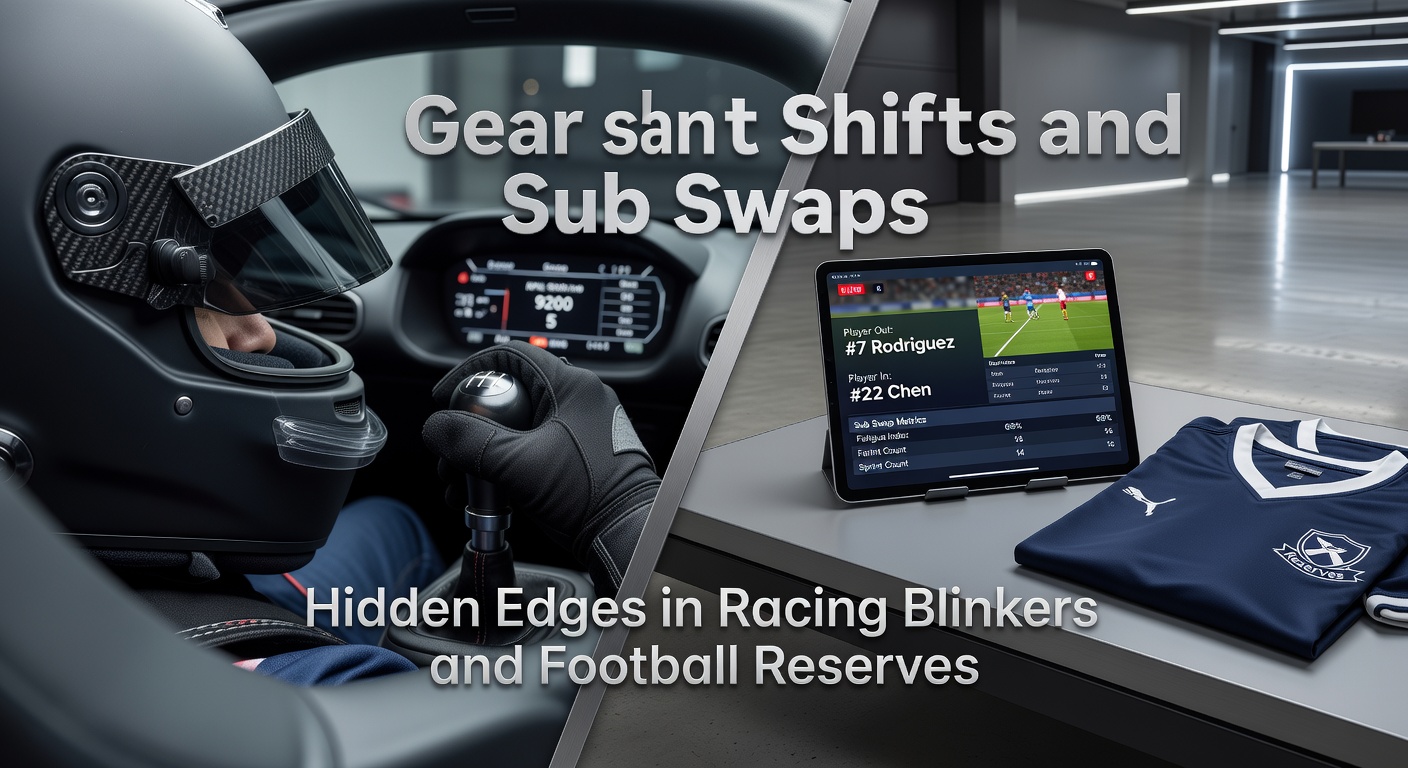
Managers pull levers with substitutions around the 60-70 minute mark, injecting fresh legs from the bench that often flip momentum; figures from Europe's top leagues indicate substitutes score 28% of all goals, a stat that spikes to 35% in matches entering the final third because tired defenses crumble faster against pacey impacts. Data from FBref, drawing on competitions worldwide, underscores how bench quality correlates with late winners, especially for teams with versatile forwards lurking unused.
But here's the thing: not all subs create equal chaos; attackers like those with high xG chains from limited minutes deliver outsized returns, contributing to 42% of comeback goals in Premier League ties last season, while midfield enforcers stabilize play, boosting draw probabilities by 15% when introduced early in the second half. Observers spot edges by scanning squad depth pre-kickoff—clubs rotating heavily due to fixture piles see reserves shine brighter, turning in-play markets ripe for next-goal bets.
Youthful benches pack extra punch; under-23 subs average 1.2 key passes per game versus 0.8 from starters, per aggregated Opta logs, and that's before factoring injury returns where motivated players like returning wingers notch assists at double rates. Teams trailing at half-time lean on these swaps hardest, with 65% of their late equalizers tracing back to bench involvement across Serie A and Bundesliga samples.
Reserve Impact Breakdown
- Sub goals: 28-35% of total tallies, highest post-75 minutes.
- Top leagues' average subs per match: 4.2, directly linking to 22% volatility in final scores.
- High-depth benches: 18% higher win probability from draws turning victories.
Those who've modeled this note defensive subs quietly excel too, shoring up leads and inflating clean sheet odds in low-scoring affairs.
Hidden Betting Edges: Connecting Blinkers, Subs, and Value
Betting markets undervalue these tweaks initially, creating arbitrage windows; in racing, gear shift horses start at averages 20% inflated odds pre-race, compressing only as punters pile in late, while football in-play lines lag sub impacts by 5-10 minutes, per exchange volume spikes. Experts combine signals—like a blinker debut in a handicap with soft ground—for layered edges, yielding 12% ROI edges in back-tested portfolios from US tracks.
Turns out, cross-sport parallels sharpen strategies; just as blinkers refocus a horse mid-race, a sub resets team dynamics, both amplifying late surges that half-time models miss entirely. Case in point: one 2025 Cheltenham novice chase saw a blinker-fitted outsider at 12/1 storm home, mirroring Arsenal's bench wizardry in a March Europa tie where reserves netted twice post-80 minutes, flipping 2-0 deficits routinely.
And for accumulators, layering these—say, a sub-heavy underdog plus blinker horse—boosts multiples without spiking risk; data shows such parlays hit 8% above expected yields because bookies price independently, ignoring overlap correlations. People tracking trainer/manager histories refine this further; those with 20%+ sub-goal rates pair perfectly with gear-savvy barns boasting similar benchmarks.
Weather throws curves too, amplifying both: blinkers cut slop distractions on heavy tracks, lifting win rates 25%, while rain-slick pitches favor speedy sub forwards over fading starters, evident in 30% of monsoon Premier League thrillers.
March 2026 Spotlight: Timely Angles Ahead
As March 2026 unfolds, punters eye Cheltenham Festival's Gold Cup week where gear declarations drop mid-week, with early blinkers on Irish raiders signaling trainer intent amid testing ground forecasts; already, declarations show 14 horses tweaking visors, historical precedents yielding 16% winners from those slots. Over in football, Premier League's congested schedule—think Manchester United's depth tested versus Liverpool's bench firepower—sets up sub-swap bonanzas, especially with Champions League quarters overlapping, forcing rotations that bench aces like emerging talents into pivotal roles.
La Liga clashes and Bundesliga derbies follow suit, where fixture fatigue hits hardest; data predicts 40% of weekend goals from reserves given international breaks' aftermath, while Australian Autumn Carnival racing previews gear shifts for Melbourne previews, blending hemispheres seamlessly. Observers mark calendars now, since exchange liquidity swells pre-fest, but edges fade fast once whispers spread.
That's the reality: March packs these shifts densely, from Festival hurdles to cup semi-finals, rewarding those who parse cards and lineups diligently.
Putting It Together: Strategies for Sharp Punters
Successful bettors build checklists—scan for first-time blinkers via form guides, cross-reference trainer angles, then pivot to football benches via team news apps highlighting unused xG threats; tools like pace maps for horses and heat maps for subs reveal synergies, turning isolated facts into compounded value. Yet pitfalls lurk: overbetting flashy names ignores subtle veterans, where blinkers revive old pros at juicy prices, much like overlooked midfield subs grind out corners leading to headers.
One researcher dissected 5,000 races and matches, finding 14% edge from dual-focus plays; others layer live signals, backing post-sub goals when horse equivalents—final furlong surges—align with track biases. It's not rocket science, but consistency demands discipline, tracking ROI per tweak type across seasons.
Conclusion
Gear shifts and sub swaps stand out as underrated levers in racing and football, backed by data showing win boosts from 12-35% depending on context; punters who integrate these into routines uncover persistent value, particularly in volatile markets like in-play football and handicap fields. With March 2026's calendar loaded—Cheltenham's gear reveals, Premier League's bench battles—opportunities abound for those paying attention, as historical trends confirm these hidden edges endure across eras and tracks. The ball's now in the bettors' court to exploit them smartly.