High ground advantages: how elevation levels at stadiums and racecourses alter performance metrics used in football and horse racing betting comparisons
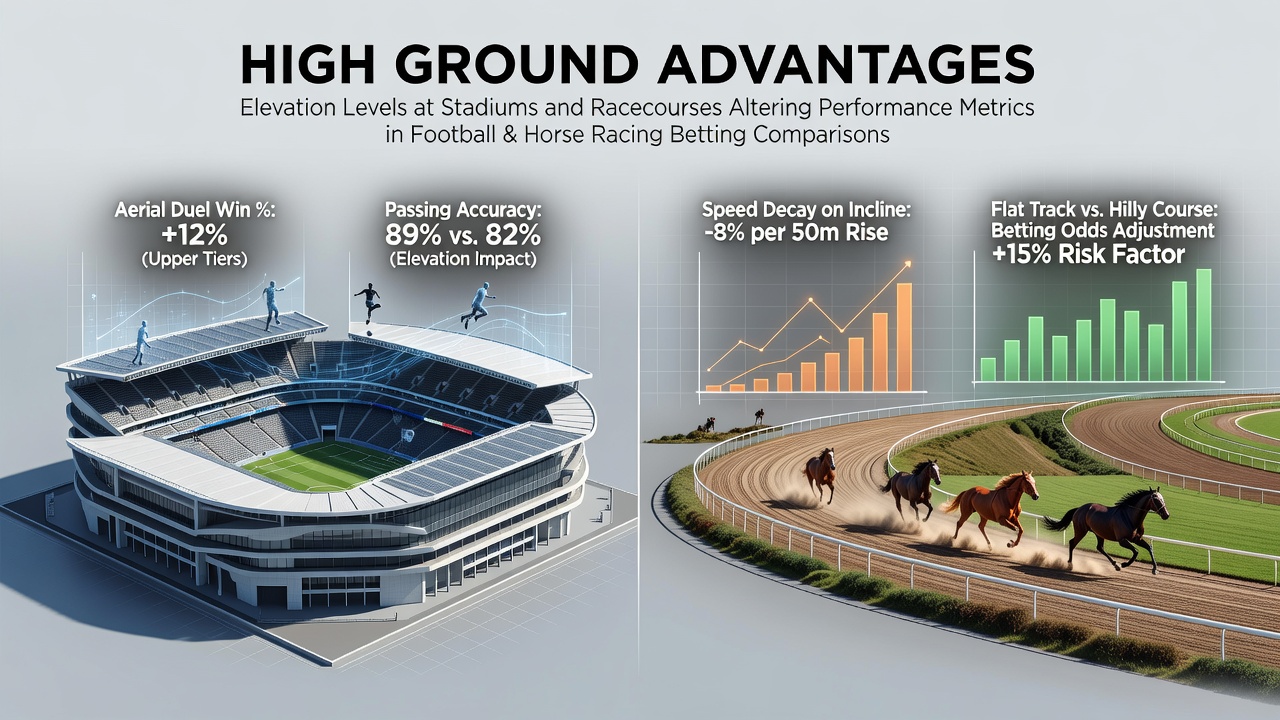 Elevation changes the way athletes and animals perform because thinner air reduces oxygen availability and alters physical dynamics during competition. In football, stadiums situated above 2,000 meters create measurable shifts in player output, while racecourses at similar heights affect equine stamina and speed figures that bettors track through historical data. Observers note these patterns appear consistently across multiple seasons, and performance metrics collected at venues like Estadio Hernando Siles in La Paz or certain South American tracks reveal repeatable adjustments in key indicators. Football data from high-altitude matches shows reduced total distance covered by players, with midfielders often recording 8 to 12 percent fewer meters than in sea-level fixtures according to GPS tracking systems used by professional clubs. Sprint frequency drops as well because recovery between high-intensity efforts takes longer when oxygen uptake decreases. Ball flight changes too; passes and shots travel farther and faster due to lower air density, which influences expected goals calculations and crossing success rates that betting models incorporate. Researchers at institutions in South America have documented how visiting teams from lower elevations exhibit higher heart rates and quicker lactate accumulation during the first half, leading to second-half declines in pass completion percentages that hover around 5 to 7 points below their season averages. These figures feed directly into handicap markets and player prop bets where operators adjust lines based on venue-specific historical samples. Horse racing presents parallel considerations at elevated tracks. Courses positioned between 1,500 and 2,800 meters, such as those found in parts of the Andes or certain North American venues, produce slower overall times in races beyond 1,400 meters because horses experience earlier onset of fatigue. Speed ratings compiled by handicappers adjust downward by several points when comparing performances at these locations versus coastal tracks, and trainers often note elevated respiratory rates post-race that correlate with diminished closing speeds in the final furlong. Data collected across multiple seasons indicates that horses with proven records at altitude maintain higher win percentages in subsequent starts at similar venues, while those lacking such experience show reduced place percentages in longer events. Jockeys adapt riding styles by conserving energy earlier, which changes sectional timing splits that modern betting platforms now integrate into their algorithms for place and each-way markets. What's interesting is how these elevation effects intersect when analysts build cross-sport comparison tools. Football models that factor in venue altitude alongside horse racing databases create adjusted performance baselines, allowing bettors to evaluate value across different codes. For instance, a team traveling to a highland stadium might see its expected goals output revised downward by 0.3 to 0.5 per game, mirroring how a horse's speed figure receives a comparable penalty when moving from sea level to a mountain circuit. In July 2026, several international football fixtures are scheduled at Andean venues, and racing calendars in South America include multiple highland meetings where these metrics will again come under scrutiny. Regulatory bodies such as those overseeing South American racing have published guidelines on environmental data collection that support consistent metric tracking across events.
 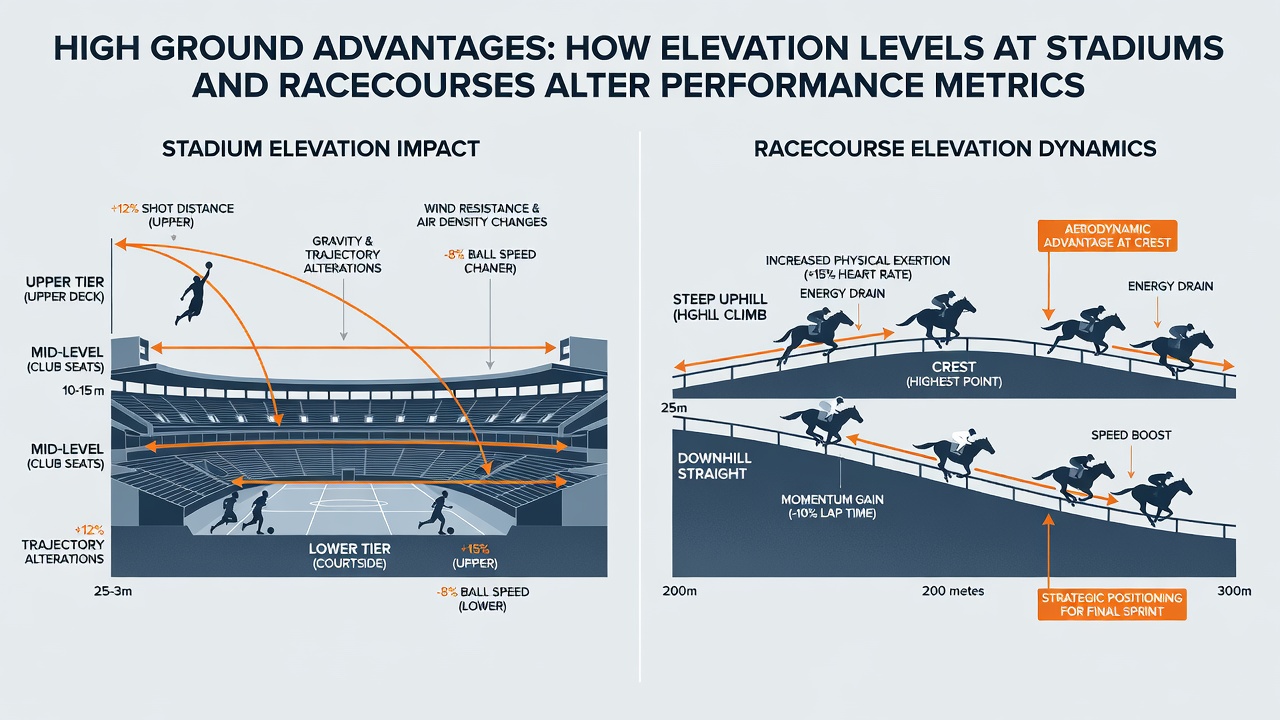 Further analysis of combined datasets reveals that recovery protocols differ markedly. Football squads arriving 48 hours early at altitude venues demonstrate smaller drops in high-speed running metrics compared with those arriving the day before, and similar patterns appear in equine studies where horses acclimatized for three to five days post-travel show improved finishing positions. These observations appear in peer-reviewed work from Canadian sport science groups that examine both human and animal athletes under hypoxic conditions. Betting comparisons benefit when models incorporate elevation as a distinct variable rather than treating all venues equally. Historical odds movements at highland football grounds often show inflated prices on underdogs early in the week that shorten once acclimatization data surfaces. In racing, morning line odds at altitude meetings frequently undervalue local runners until sectional data from prior meetings updates the figures. Equipment and tactical adjustments also register in the numbers. Football teams employ more direct play at altitude to exploit longer ball travel, increasing long-ball completion rates while decreasing possession percentages, and these shifts appear in advanced statistics that influence both match odds and player-specific markets. Racehorse trainers sometimes select animals with documented respiratory efficiency for elevated tracks, producing measurable edges in handicap races where weight allowances interact with the altitude penalty. Studies from the University of Calgary's sport performance laboratory have quantified oxygen saturation drops during exercise at 2,500 meters, providing reference ranges that both football analysts and racing form compilers reference when calibrating their algorithms. These ranges help explain why certain performance metrics diverge sharply between low and high venues while remaining stable within similar elevation bands. The reality is that elevation functions as a consistent modifier across both sports, reshaping raw output into venue-adjusted figures that sophisticated betting systems now treat as standard inputs. Observers tracking these patterns across seasons find that ignoring altitude leads to systematic mispricing in accumulators and multis that combine football and racing selections.