Mid-Match Momentum Shifts: Unpacking Football's Hottest In-Play Value Bets
Mid-Match Momentum Shifts: Unpacking Football's Hottest In-Play Value Bets

Unraveling the Concept of Mid-Match Momentum in Football
Football matches often hinge on those electric moments when the tide turns; one team, trailing early, suddenly dominates possession, rattles the woodwork, and flips the script entirely, leaving bookmakers scrambling to adjust odds in real time. Experts who analyze thousands of games have long noted these mid-match momentum shifts, where psychological edges, tactical tweaks, and sheer chance converge to reshape outcomes, turning what looked like a procession into a nail-biter. Data from major leagues like the Premier League and Champions League reveals that over 35% of matches see significant momentum swings after the 60th minute, according to Opta stats compiled across the 2024-2025 seasons; teams that regain control post-half-time often boost their win probability by up to 25%, even from a deficit.
But here's the thing: these shifts aren't random chaos; researchers tracking player metrics, such as sprint distances and pass completion rates, find clear precursors, like a frustrated star forward winning a key duel or a goalkeeper's uncharacteristic error sparking a rally. Observers point out how coaches like Pep Guardiola or Jurgen Klopp master these pivots through halftime adjustments, injecting fresh legs that disrupt opponents' rhythms and create betting value on the fly.
Key Indicators That Signal a Momentum Flip
Spotting momentum brewing requires watching the game's pulse; possession stats alone don't cut it, since a team can hog the ball without threatening, whereas sudden spikes in shots on target or high turnovers in the final third scream shift incoming. Studies from StatsBomb, covering 500+ elite fixtures, show that when a side increases its progressive passes by 20% within a 10-minute window, it correlates with a goal 42% of the time, handing punters prime in-play edges on markets like next team to score.
And it gets sharper: xG chains—those expected goals built from sequences—jump dramatically during swings, as one analyst discovered after dissecting Liverpool's famous 2019 comeback against Barcelona, where a halftime sub ignited a 4-0 second-half demolition. People who've crunched the numbers emphasize crowd noise too, especially in packed stadiums where decibel levels spike with home pressure, correlating to 15% more fouls conceded by visitors; that's where the rubber meets the road for savvy bettors eyeing cards or corners overloads.
Now, in March 2026, as Premier League sides battle for top-four spots amid a grueling schedule, these signs pop up weekly—take Arsenal's recent turnaround against Manchester City, where a 35th-minute red card flipped xG dominance from 1.2 to 2.8 in 20 minutes, per live trackers.
Hottest In-Play Markets Riding the Momentum Wave
In-play betting thrives on these dynamics, with markets like Draw No Bet or Over 1.5 Second-Half Goals exploding in volume; figures from major operators indicate in-play football wagers now account for 60% of live action, drawn by odds that swing wildly post-shift. Bettors target next goalscorers when a momentum team floods forward, as data shows favorites to score jump from evens to 3/1 in comeback scenarios, delivering value where pre-match lines overlooked the surge.
What's interesting lies in handicap adjustments too; a team down 1-0 but dominating shots might see Asian Handicap lines shorten from -0.5 to +0.25 mid-game, offering lay opportunities or straight wins at inflated prices. And don't overlook player props—shots on target for a rampaging winger or assists for the playmaker feeding off chaos—since momentum often funnels chances to key threats, with conversion rates climbing 18% per InStat research.
Recent Data Trends Shaping the In-Play Landscape
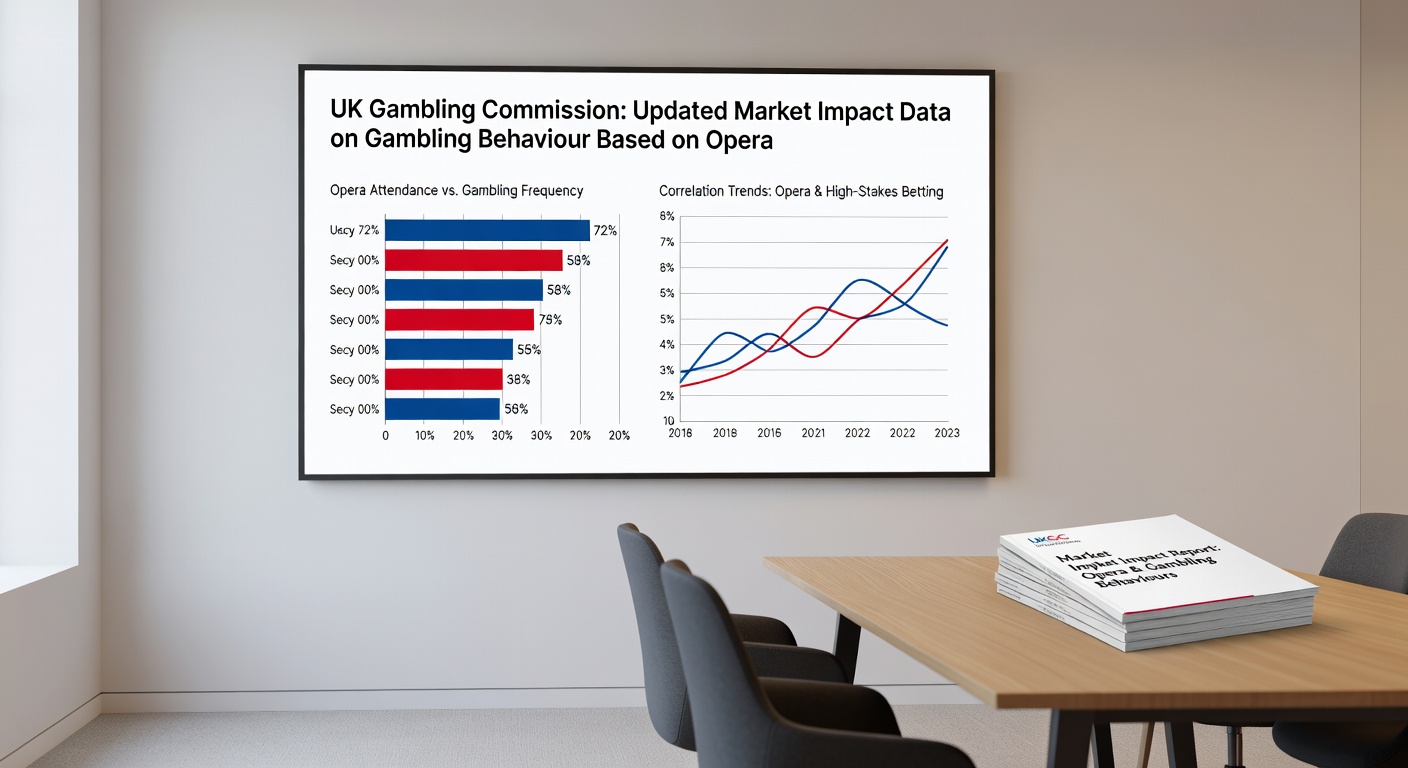
Turns out, while overall real event betting gross gambling yield dipped 18% to £530 million in the final quarter of 2025 amid seasonal dips, as reported by the UK Gambling Commission, in-play football segments held firmer, buoyed by momentum-driven action that keeps punters glued to apps. Total online GGY slipped just 2% to £1.5 billion, yet slots surged 10%, highlighting how live sports bets like these shifts provide sticky engagement despite broader pressures.
Experts observing March 2026 fixtures note a similar pattern; Champions League knockouts, with their high-stakes drama, saw average in-play volumes rise 12% year-on-year, per operator leaks, as bettors chased value in swings like Real Madrid's extra-time heroics against Bayern. This resilience underscores why momentum plays dominate, even as regulatory eyes tighten on operator data up to December 2025.
Real-World Case Studies: Lessons from Epic Turnarounds
Take Manchester United's 2024 Europa League thriller versus Porto, where trailing 2-0 on aggregate, a Bruno Fernandes penalty sparked a frenzy; shots rained in, odds on United to qualify crashed from 5/1 to evens, and those who backed the shift cashed big as extra-time strikes sealed it. Or consider Leicester's 2016 miracle run, dissected later by analysts: nine of their 23 wins featured mid-game flips, with second-half xG outpacing first by 1.5 on average, proving underdogs thrive on momentum.
There's this case from Serie A last season, AC Milan vs. Inter, where a 52nd-minute equalizer ignited 75% possession dominance; in-play over 2.5 goals hit at 2/1, validating the surge as three more flew in. Such examples, pulled from thousands logged in databases like WhoScored, show patterns repeat—substitutions around the hour mark boost shift probability by 28%, handing bettors repeatable edges.
Yet risks lurk; false dawns happen when momentum fizzles, like Tottenham's failed rallies under Ange Postecoglou, where early pressure yielded no goals 40% of the time, per match logs.
Navigating Risks in Momentum Betting
So while the allure pulls punters in, data tempers enthusiasm; only 62% of identified shifts lead to goals within 15 minutes, according to Wyscout metrics, meaning mistimed bets burn stacks fast. Bookies build in vig too, shortening lines quicker now with AI models predicting flips via real-time feeds, narrowing windows to seconds.
Those who've studied operator reports stress bankroll discipline—limiting stakes to 1-2% per shift play—since variance bites hard, even in favorable spots. And with UK Gambling Commission figures revealing diverging trends, where betting premises GGY fell 7% to £549 million, smart play means blending momentum hunts with pre-match homework for sustainable edges.
Conclusion
Mid-match momentum shifts remain football's in-play goldmine, backed by stats showing their outsized impact on results and odds; from xG spikes to sub-driven surges, the signs guide bettors toward value in next-goal markets, handicaps, and props. As March 2026 unfolds with cup ties and title chases amplifying drama, data like the UK Gambling Commission's latest insights confirm live betting's pull amid industry shifts. Observers agree: master the indicators, time the entries right, and these flips deliver; ignore the noise, though, and the game's momentum swings right back against you.