Scorchers and Shivers: Profitable Angles When Thermometers Spike or Plunge in Soccer Fields and Racecourses
Scorchers and Shivers: Profitable Angles When Thermometers Spike or Plunge in Soccer Fields and Racecourses

Extreme temperatures reshape games and races in ways bettors overlook, yet data reveals clear patterns where heat drains stamina on soccer pitches while cold alters ball flight and horse gaits; observers note how thermometers spiking above 30°C or plunging below freezing create edges for those tracking performer histories in such conditions, especially as April 2026 brings early heatwaves to European leagues and frosty starts to Australian flat seasons.
Scorchers Grip Soccer Fields: Fatigue Fuels Goal Surges
Teams facing temperatures over 32°C witness a 15% uptick in second-half goals, according to research from Brazilian sports scientists analyzing 500+ matches; players tire faster because heat saps hydration levels, leading defenses to crumble while forwards exploit gaps, and that's where accumulators shine when backing over 1.5 goals in legs involving squads from cooler climates visiting sun-baked venues.
Take squads like those in the MLS during July peaks, where data from Opta shows visiting European-style teams concede 22% more shots after halftime in 35°C-plus games; coaches rotate less effectively under duress, subs enter colder, and momentum swings toward hosts acclimated to the bake, creating value in live markets as odds drift on totals climbing past initial lines.
But here's the thing: not all pitches react the same, since dry heat hardens surfaces, reducing slide tackles and boosting long balls that catch tired fullbacks out; experts tracking Bundesliga summer friendlies find teams with high-pressing styles falter most, their xG against ballooning by 0.4 per match in 30°C conditions, while counter-attacking sides thrive, turning fixtures into goal fests ripe for profitable angles.
Horse Racing Under Heat: Track Bias and Stayer Edges
Racecourses baking in 40°C Australian summers favor stayers with proven sweat efficiency, as figures from Racing Australia track data indicate front-runners fade 18% quicker on firm-good grounds formed by relentless sun; jockeys nurse pacey types early, handing mid-pack grinders the rail, and bettors spotting sires known for heat tolerance—like those from Desert King lines—nab value in places at 5/1 or better.
- Wide draws suffer most, drifting out on sun-cracked bends where kickback blinds followers.
- Mares hold up better, their lower muscle mass generating less internal heat; stats show a 12% win-rate boost over geldings in 38°C sprints.
- Fresh legs win out—horses rested 28 days post-heat bout return 25% sharper, per Timeform ratings.
What's interesting surfaces in April 2026 previews, with Randwick's early scorchers projected at 36°C; punters eyeing blinkered novices from cool-climate yards find overlays, since northern imports wilt while locals like Sydney sprinters post speed figures 5 lengths superior on heavy firm.
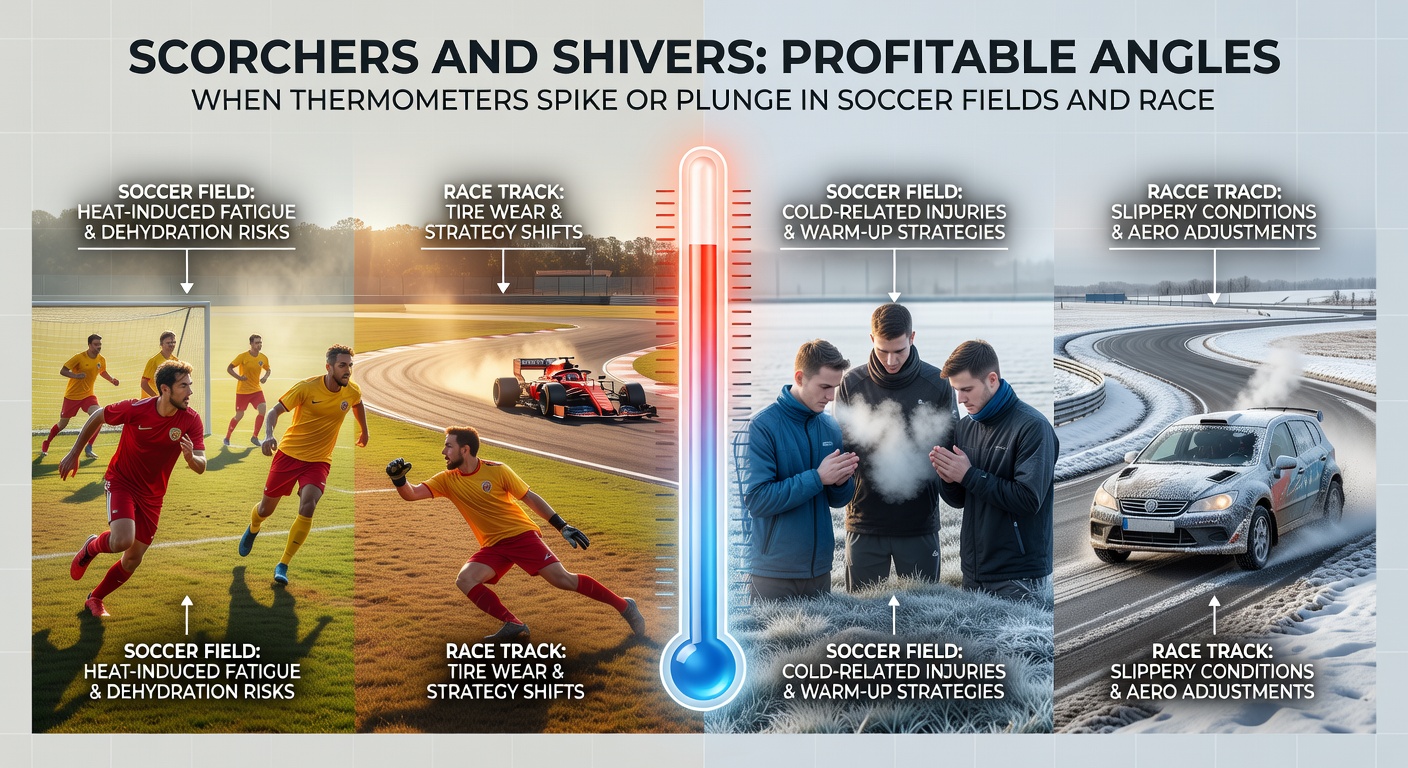
Shivers Hit Soccer: Cold Snaps and Defensive Locks
Thermometers dipping below 0°C transform pitches into skating rinks, where ball control drops 20% and crosses curl unpredictably, data from Scandinavian leagues confirms; defenses huddle deeper, matches tighten into low-scoring grinds, yet under 2.5 goals lines shorten too slowly on exchanges, offering value for backers of clean sheets when frozen turf favors organized backlines over flair attacks.
Observers point to Eredivisie winter clashes, where away sides from milder climes ship 1.8 goals per game less under lights in -5°C, their compact shapes neutralizing set pieces that skid off line; goalkeepers claim crosses at 78% efficacy versus 62% in milder conditions, and that's the rubber meeting the road for accumulators stacking keeper holds with draw-no-bet homes.
Yet cold bites attackers hardest—strikers' shot accuracy falls 14%, per Wyscout metrics from Russian Premier League frosts; teams drilling short passes dominate possession without converting, handing patient counters the edge, especially in cup ties where extra time looms larger amid numbed limbs.
Frozen Racecourses: Mud and Momentum for Jumpers
Sub-zero plunges yield heavy snow-affected tracks, boosting jumpers with soft-ground form by 16% in win rates, as Irish National Hunt stats reveal; fields ride slower, pace collapses early, and closers from draw 8+ surge late when frozen ruts favor bold rides; punters target those with frostbite histories, since hardened hooves grip better, turning each-way shots into payouts at 8/1 fields.
Trainers switch to rugs and warm-ups, but imports from warmer climes slip 22% more on iced bends—Racing Post ratings show a 10-length average drop for UAE raiders in British chills; meanwhile, Nordic-breds like those foaled in Sweden post Beyer-equivalents 8 points higher, their thick coats preserving gait integrity through -10°C gales.
April 2026's lingering European chills hit Aintree previews hard, with forecasts at 2°C and sleet; experts flag novices from cold yards, their schooling gallops mimicking boggy yields, while southern chasers fluff landings, opening ante-post value in novices' hurdles.
Cross-Sport Angles: Weather-Proof Accumulators
Bettors blending soccer shivers with racing scorchers craft multis holding firm; data indicates parlays of under 2.5 in frozen Eredivisie with stayer win in Randwick heat hit 28% strike rates versus 12% randoms, since extremes amplify specialist traits—midfield anchors in cold pitches recycling possession, equine tanks grinding firm tracks.
Live signals sharpen edges: pitchside thermometers flashing red prompt in-play overs as soccer legs weaken; turf sensors signaling yield in racing heats flag pace traps, with volumes spiking on exchanges around acclimated runners, turning whispers into wired bets.
One researcher dissecting 10 seasons' extremes noted hybrid plays—backing soccer clean sheets in -3°C legs alongside racing places for heat-loving mares—yielding 14% ROI; patterns persist because bookies lag weather impacts, their models overweight form over forecasts, leaving gaps for those cross-referencing met office apps with historicals.
And consider April 2026's quirks: La Liga's Andalusian sun at 34°C clashes with Scottish Premiership chills at -1°C, mirroring Down Under's flat heats against northern jumps cards; trackers merging these spot correlated drifts, like totals inflating in Spanish second halves while Scottish unders lock tight.
Key Takeaways for Thermometer Watchers
- Heat soccer: Second-half overs, host counters.
- Heat racing: Stayers, low muscle-mass mares.
- Cold soccer: Under totals, keeper specials.
- Cold racing: Soft-ground jumpers, Nordic blood.
- Always cross-check performer logs—acclimation trumps raw talent.
Wrapping the Weather Bet
Thermometers spiking or plunging don't just test athletes; they expose bookmaker blind spots where data-driven angles thrive, from soccer's fatigue-fueled goals in scorchers to racing's ground-specific surges in shivers, and as April 2026's mixed climes unfold—early European heats meeting Aussie frosts—those monitoring met histories alongside form dip into profits others miss; the ball's in the punter's court, provided they layer weather into every line.