Shadows on the pitch and the rail: how lighting and visibility factors reshape betting lines in soccer and equine competitions
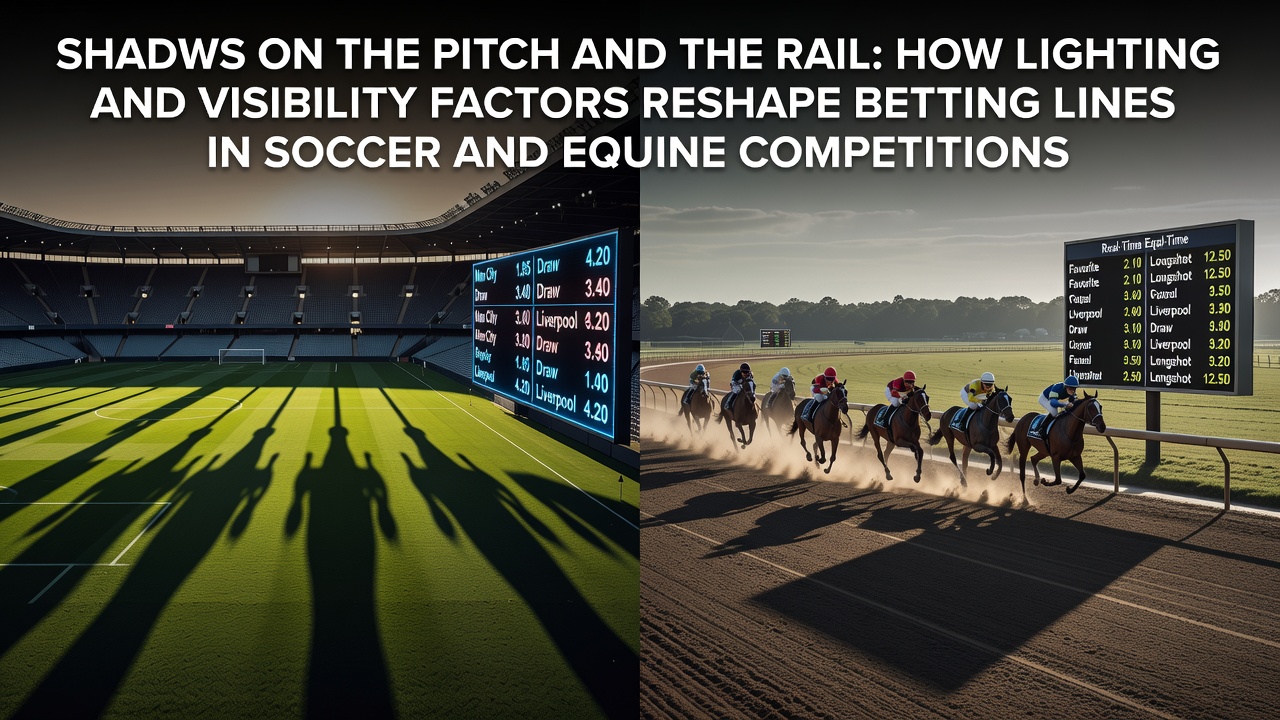 Lighting conditions alter how players and horses perceive their environment, and bookmakers respond by shifting odds when those conditions change performance expectations. In soccer, floodlight configurations at evening matches create uneven illumination across the pitch surface. Shadows fall in patterns that depend on lamp placement, and teams that practice regularly under similar setups show measurable differences in passing accuracy once twilight transitions into full artificial light. Data from European league fixtures in 2025 indicate that home sides with dedicated night training facilities post higher shot conversion rates when matches kick off after sunset compared with teams that train primarily in daylight. Equine events follow parallel patterns on tracks equipped with rail-mounted lighting systems. Horses running along the inside rail encounter different shadow gradients than those positioned wider, and jockeys report altered depth perception when lights reflect off the surface. Handicappers at major racing jurisdictions track these variables because historical speed figures drop in specific lighting setups, particularly during twilight programs where natural and artificial light mix. July 2026 schedules for several North American tracks include expanded evening cards, and early entries already reflect line adjustments tied to known visibility patterns at those venues.
Soccer pitch illumination and market movement
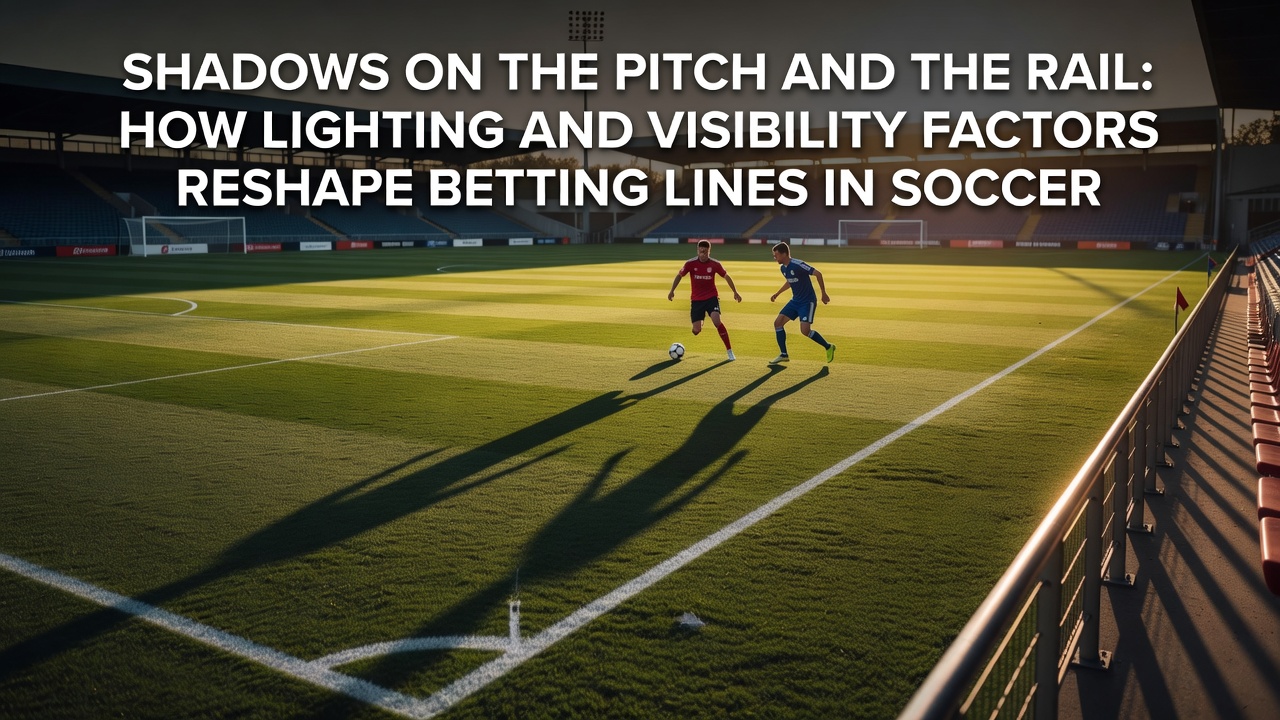
Bookmakers monitor lamp angles because certain stadiums produce pronounced shadows near the penalty areas when floodlights operate at full power. Midfield zones receive more uniform coverage while corners remain darker, and statistical models show reduced crossing success rates into those shaded regions. Observers note that defensive units drilled on shadow navigation maintain cleaner lines, and this edge appears in adjusted totals for both goals and corners once the fixture nears kickoff.
Research conducted by sports performance laboratories in Australia demonstrates that ball spin becomes harder to read under high-contrast lighting, leading to more deflections and second-ball situations. Leagues that publish advanced tracking data reveal elevated error rates in the opening fifteen minutes after sunset when players adapt to the switch. These patterns feed directly into live betting markets, where totals lines drift as the first half progresses and visibility stabilizes.
Rail shadows and equine performance data
Track lighting positioned along the rail creates moving shadow bands as horses pass beneath each fixture. Handicappers at the Hong Kong Jockey Club and similar authorities record sectional times segmented by lighting zone, and those figures show consistent deceleration on the inside when rail shadows lengthen during late-race stages. Jockeys positioned on the rail therefore receive different visual cues than those traveling three or four paths wide, and this difference influences post-race comments that feed into morning line construction.
Studies compiled by the Association of Racing Commissioners International indicate that races contested under mixed natural and artificial light produce wider finishing margins on average than fully daylight events. Bettors who incorporate these sectional splits into their models find value in horses that have previously performed well under comparable rail lighting at the same circuit.
Cross-sport patterns in line adjustment
Both industries rely on historical datasets that correlate lighting variables with outcome distributions. Soccer operators adjust pre-match totals when a fixture moves from afternoon to evening because aggregate goal expectancy changes under floodlights. Racing markets apply similar logic when twilight programs replace daytime cards, shifting place and show probabilities based on rail performance history. The underlying mechanism remains the same: reduced or uneven visibility modifies reaction times and spatial judgment, which in turn alters expected results.
Industry reports from the FIFPRO global player union highlight how fixture scheduling around lighting transitions affects recovery and preparation routines. Teams and trainers that anticipate these shifts build corresponding training blocks, and those preparations translate into measurable edges once the event begins. Bookmakers incorporate such preparation signals into their models alongside direct lighting data.
Practical implications for market participants
Sharp bettors review venue-specific lighting diagrams and historical sectional data before markets open. They compare lamp placement records against team or horse profiles that show adaptation strength under those exact conditions. When a mismatch appears between public perception and the data, lines move early as informed money enters the market. Late adjustments occur when weather or equipment changes alter the intended lighting plan on the day of the event.
Regulatory bodies in multiple jurisdictions require transparency around any environmental factors that could influence outcomes, and lighting falls under that umbrella. Operators maintain logs of fixture performance under different illumination profiles so that line setters can reference prior results rather than rely on anecdotal reports. This documentation supports consistent pricing across both soccer and equine products.
Conclusion
Lighting and visibility factors operate as measurable inputs that reshape performance distributions in soccer and equine competition. Bookmakers integrate venue-specific data, historical sectional splits, and adaptation metrics when constructing lines, and these adjustments appear consistently across different time slots and track configurations. Participants who track the same variables gain access to the quantitative edges that drive line movement, while those who overlook illumination patterns encounter markets that have already priced the relevant information.