When Schedules Overlap: How Packed Calendars Influence Selections in Football Leagues and Race Programs
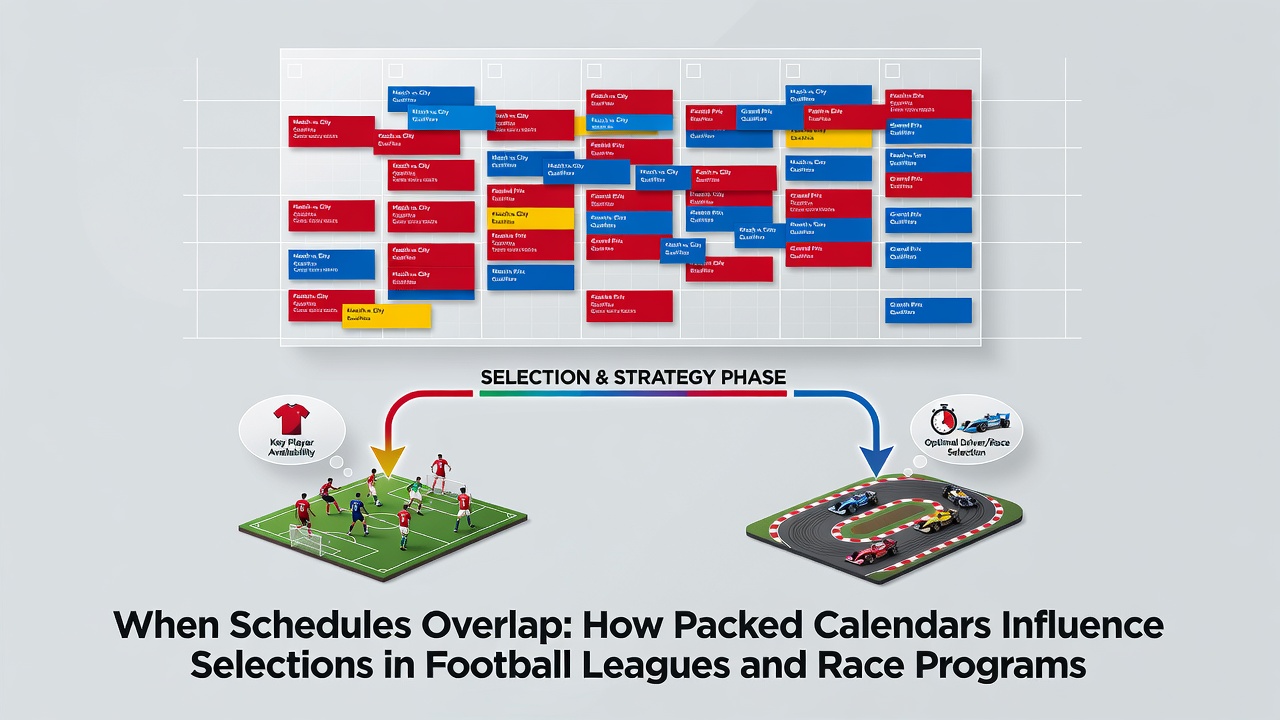
Football leagues and horse racing programs operate under calendars that frequently intersect, creating periods when teams and trainers must navigate dense fixture lists alongside one another. In July 2026 observers note several European domestic seasons preparing for restarts while major racing festivals continue across multiple continents, and these overlaps shape how selections get made for both sports.
Fixture Congestion Patterns in Football
Football governing bodies publish annual schedules that pack matches into short windows, particularly when cup competitions and international breaks squeeze league games together. Researchers tracking Premier League and Bundesliga data across multiple seasons found that clubs averaging more than one match every four days during peak periods often adjust squad selections by resting key players earlier in sequences. This rotation affects betting markets because lineups change and performance metrics shift accordingly.
Analysts at the European Club Association have documented how travel distances compound these pressures, especially for teams competing in both domestic leagues and continental tournaments. Data collected between 2023 and 2025 showed elevated injury rates during overlapping international and club windows, prompting managers to prioritize squad depth when setting lineups.
Racing Calendars and Meeting Clusters
Horse racing authorities coordinate programs that place high-profile meetings within tight timeframes, forcing trainers to decide between targeting valuable prizes or preserving horses for later targets. In Australia the Racing Australia calendar places major winter carnivals alongside preparation for spring events, and trainers respond by selecting horses based on recovery windows between starts. Similar patterns appear in North American circuits where graded stakes cluster during summer months.
Figures from the National Thoroughbred Racing Association reveal that horses running within fourteen days of a previous start show measurable differences in speed ratings compared with those given longer breaks. Handicappers incorporate these patterns when assessing fields, which in turn influences how bettors evaluate form lines during congested periods.
Cross-Sport Scheduling Effects
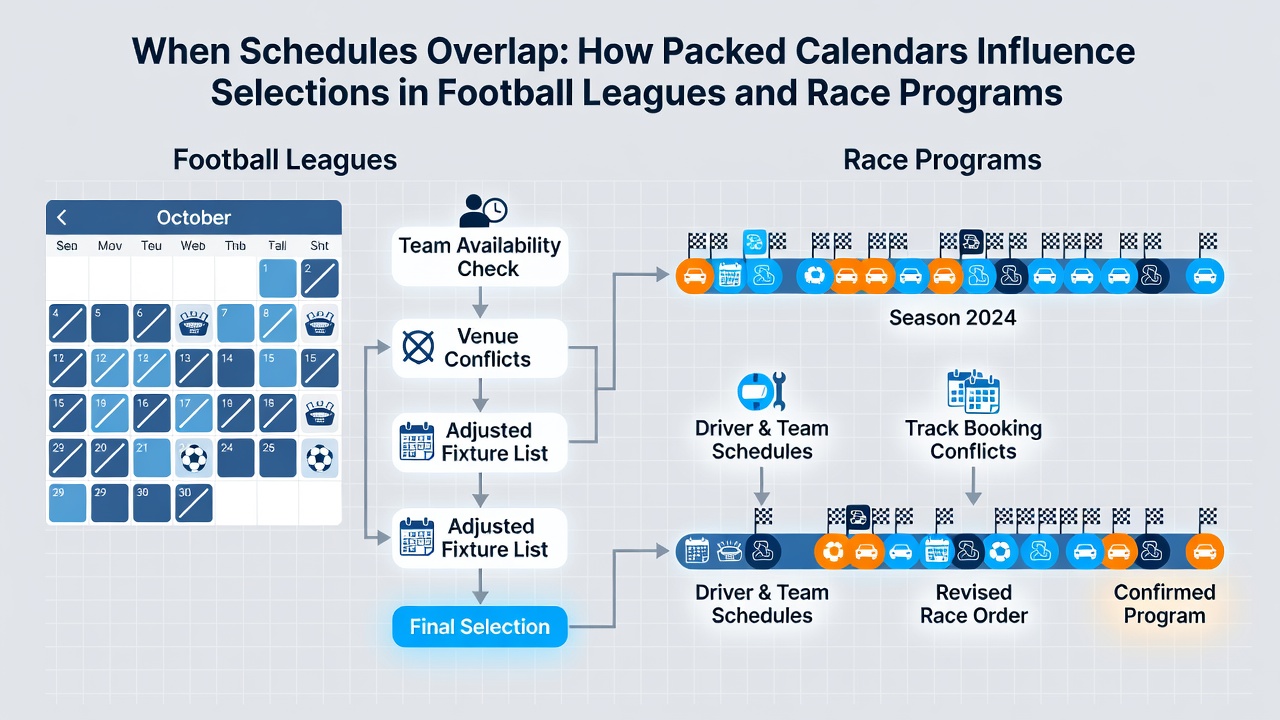
When football seasons restart in July while racing continues at summer tracks, shared logistical considerations emerge for those managing both interests. Grounds staff and transport providers handle simultaneous demands, and this convergence can delay track preparations or affect player travel logistics. Studies examining fixture lists from 2024 onward indicate that clubs with midweek European ties often face greater challenges aligning recovery protocols with subsequent league commitments.
Trainers operating near football hubs sometimes adjust declarations to avoid clashing with major matchdays when local attendance and betting interest might fluctuate. Data released by several European federations shows slight but consistent variations in average field sizes during weekends that coincide with high-profile football fixtures.
Selection Adjustments and Market Responses
Coaches and trainers apply similar principles when calendars tighten: both groups assess recovery needs, opposition strength, and long-term objectives before finalizing selections. In football this manifests through squad rotation policies that become more pronounced during congested spells, while in racing it appears through strategic placement of horses into suitable races rather than maximum-value targets. Market operators adjust odds and lines once these patterns become visible in official declarations and team sheets.
Academic reviews published in sports science journals have quantified performance declines associated with short recovery intervals across both disciplines, giving those analyzing selections additional data points to consider. Observers monitoring July 2026 schedules will likely track how clubs and stables balance immediate demands against cumulative fatigue built across overlapping weeks.
Conclusion
Calendar overlaps between football leagues and racing programs create recurring decision points for everyone involved in selections. Documented patterns of rotation, recovery management, and form assessment provide measurable context that shapes outcomes across both sports when fixtures cluster. Those following developments through 2026 will continue to see these dynamics reflected in how teams and trainers approach packed periods.